
Assessment of Knowledge, Attitudes and Practices of Key Populations and Health Workers Toward MPox Vaccination in Kenya, September 2025
Kenya reported its first case of MPox in July 2024. By October 2025, the country had recorded more than 700 cases and several deaths, with the highest number of cases reported in Mombasa, Nairobi, Busia, Makueni, Kilifi, and Nakuru counties. Most reported cases occurred among populations with increased risk of exposure, including sex workers and long-distance truck drivers. Healthcare workers were also considered at higher risk due to their roles in treatment and isolation centres.
According to WHO, MPox vaccination “helps prevent infection and slow the spread of MPox between people.” To mitigate and control the outbreak, Kenya was allocated 10,700 doses of the MVA-BN vaccine through the multi-partner Access and Allocation Mechanism (AAM) (MOH, 2025). Subsequently, the Ministry of Health conducted the MPox vaccination exercise between 3rd and 15th September 2025 in Busia, Nakuru and Mombasa counties. The campaign focused on key at-risk groups, including sex workers, truck drivers, and healthcare workers. A total of 10,697 doses were administered during the exercise.
This MPox vaccine is novel, and being rolled out for the first time in Kenya, therefore there was limited awareness and understanding of the vaccine among key populations and healthcare workers. This highlighted the need to assess the factors that may affect vaccine uptake among key populations to help tailor RCCE, identify impediments to vaccination, and best practices during the vaccination exercise. Kenya FELTP cohort 21 of the Advance Level, in collaboration with partners, conducted an assessment to evaluate the knowledge, attitudes, and practices related to MPox and MPox vaccination among key populations and healthcare workers in Busia, Mombasa, and Nakuru counties. The specific objectives of the assessment were to:
- Assess knowledge, attitudes, and practices related to MPox and the MPox vaccine
- Determine vaccination coverage among the survey respondents
- Evaluate the effectiveness of risk communication strategies used during the vaccination campaign
- Assess the vaccination delivery approaches used during the vaccination exercise in the 3 counties

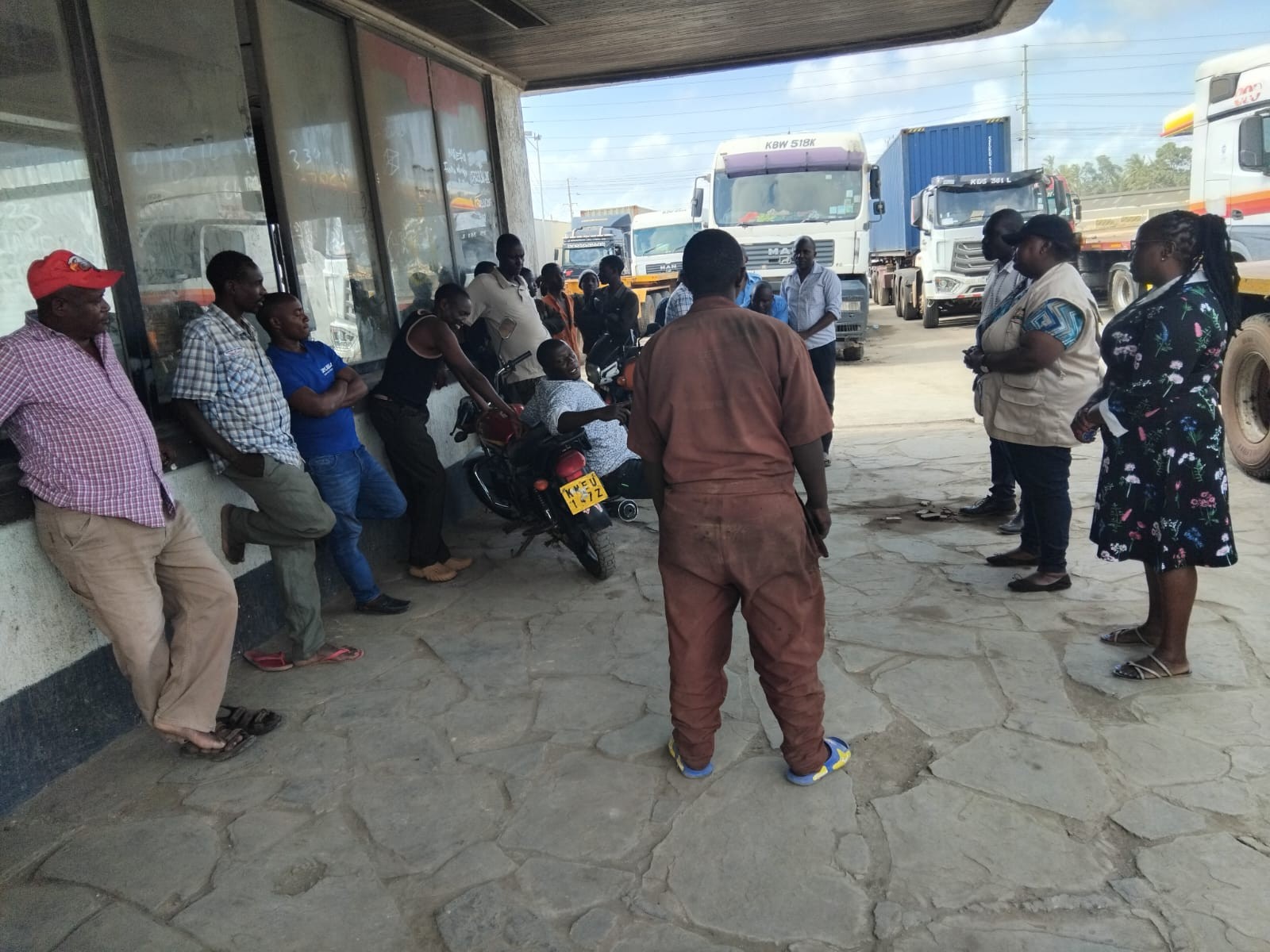
A cross-sectional survey using both qualitative and quantitative methods was carried out shortly after the vaccination exercise, between 22nd September and 1st October 2025. The assessment was conducted in sub-counties where vaccination activities had taken place in Busia, Mombasa, and Nakuru. The target population included: sex workers, truck drivers, and healthcare workers. These groups were selected because they were eligible for vaccination and were at higher risk of exposure during the outbreak.
Findings from this assessment are intended to inform future MPox vaccination campaigns and improve prevention strategies, including risk communication, vaccine delivery, and community engagement, especially among vulnerable and mobile populations. The information will also strengthen Kenya’s preparedness for future outbreaks of MPox and other emerging public health threats.